CSIR-SERC logo

Fracture behaviour of cruciform specimens under uni-axial and bi-axial bending at room and subzero temperature

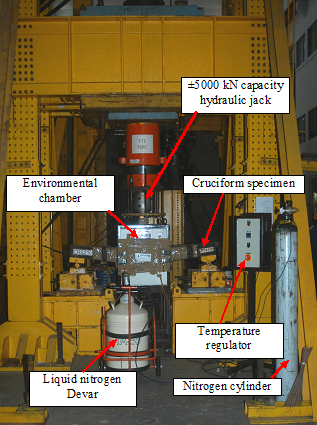
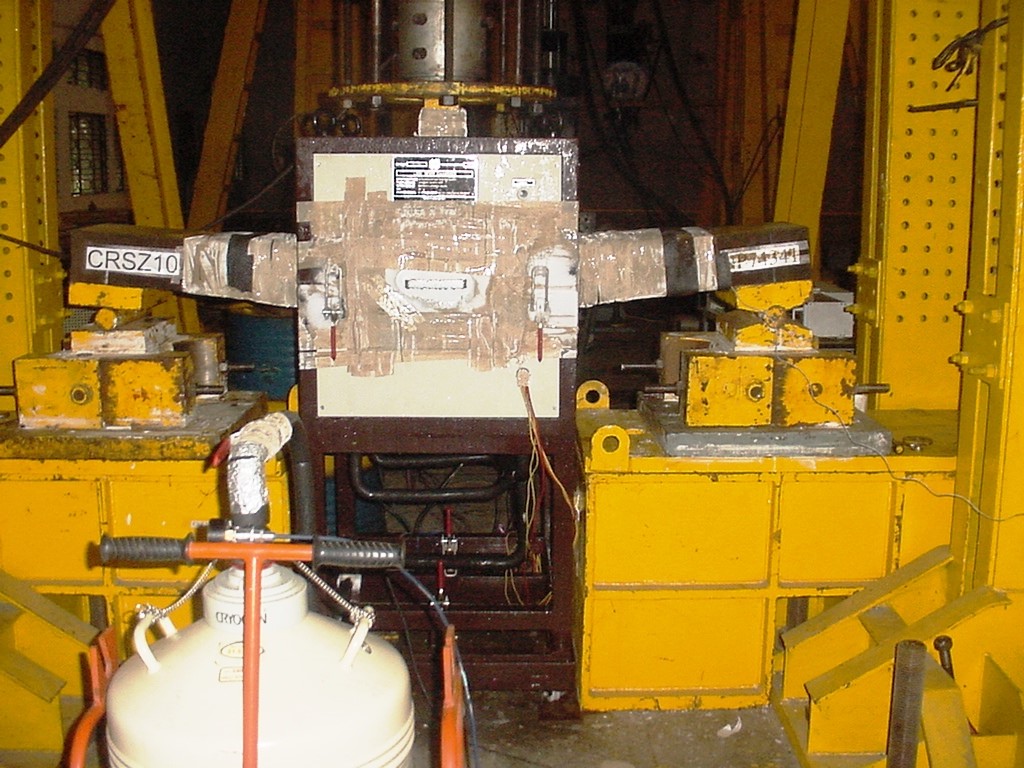
Fracture studies were carried out on 135 mm thick notched cruciform specimens (20Mn 1Mo Ni55 steel) under uniaxial and biaxial bending at room and sub-zero temperature.  In the case of specimens tested under sub-zero temperature, a low temperature chamber was fixed at the centre of the cruciform specimen.  Liquid nitrogen was used to bring down the temperature to -70˚C at the core of the specimen and it was maintained throughout the test.  The test was conducted under load control.  Initial crack profile, profile after fatigue pre-cracking and final crack profile after fracture test were determined both by ultrasonic and Alternating Current Potential Difference (ACPD) techniques.

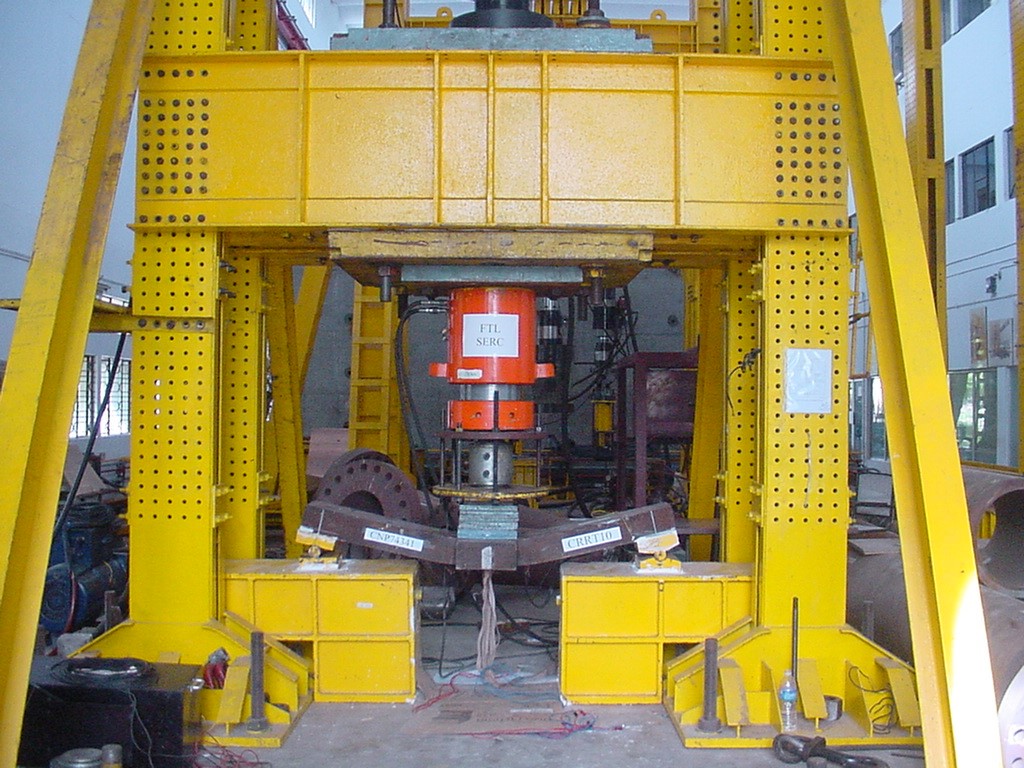
Fracture test set-up on cruciform specimen at room temperature under uni-axial loading

Fracture test set-up on cruciform specimen at room temperature under uni-axial loading

Deflected shape of the cruciform specimen

Deflected shape of the cruciform specimen

Fracture test on cruciform specimen at sub-zero temperature under uni-axial loading

Fracture test on cruciform specimen at sub-zero temperature under uni-axial loading

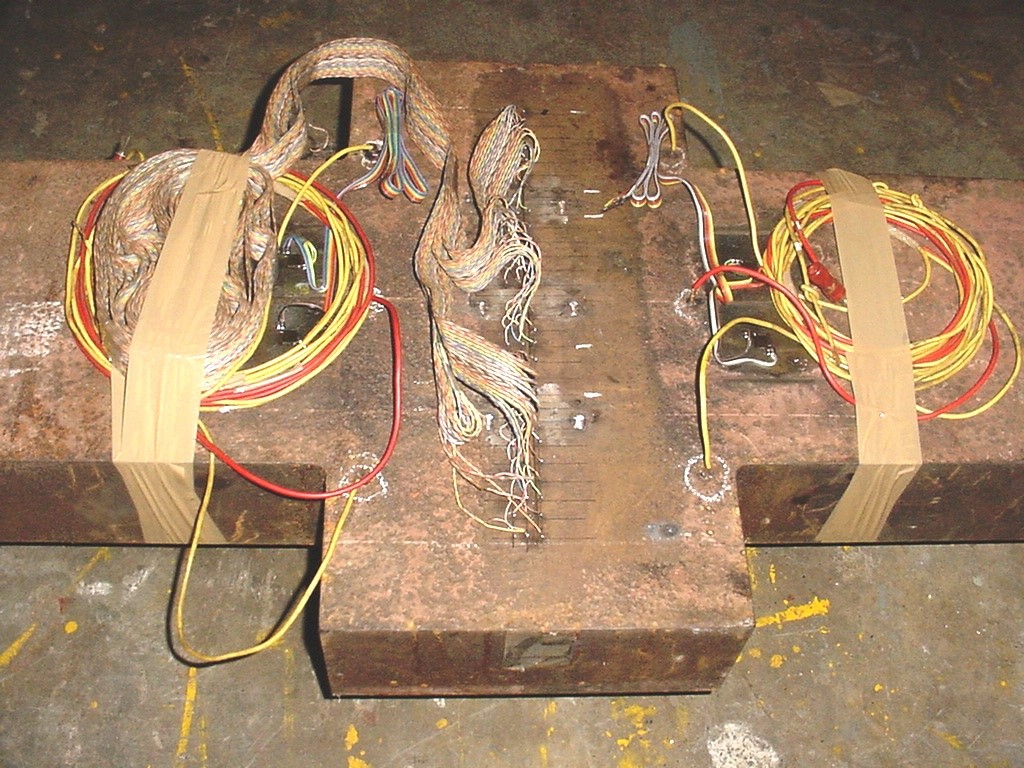
Close-up views of instrumentation details

Close-up views of instrumentation details

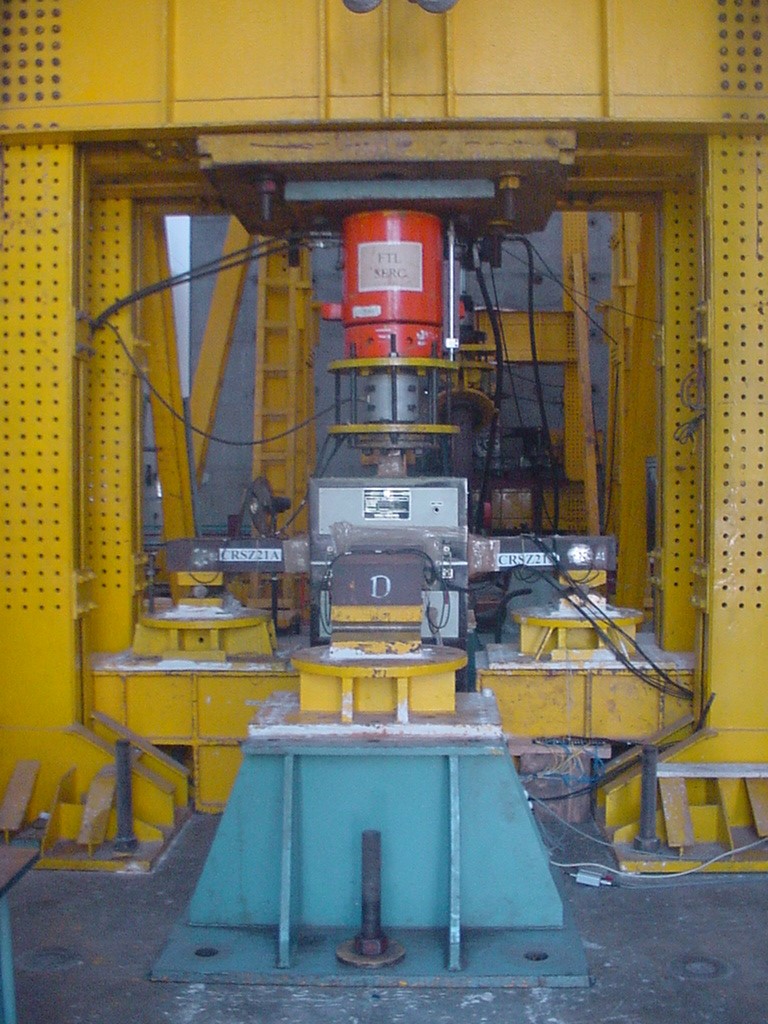
Test set-up for the cruciform specimen (uni-axial loading)

Test set-up for the cruciform specimen (uni-axial loading)

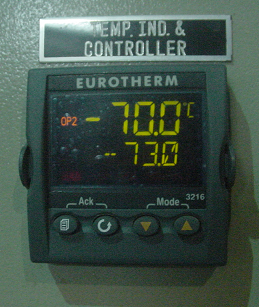
Temperature indicator

Temperature indicator

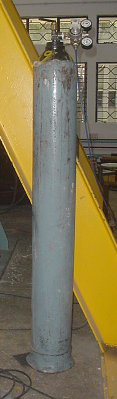
Dry nitrogen cylinder

Dry nitrogen cylinder

Fracture test on the cruciform specimen under bi-axial loading

Fracture test on the cruciform specimen under bi-axial loading

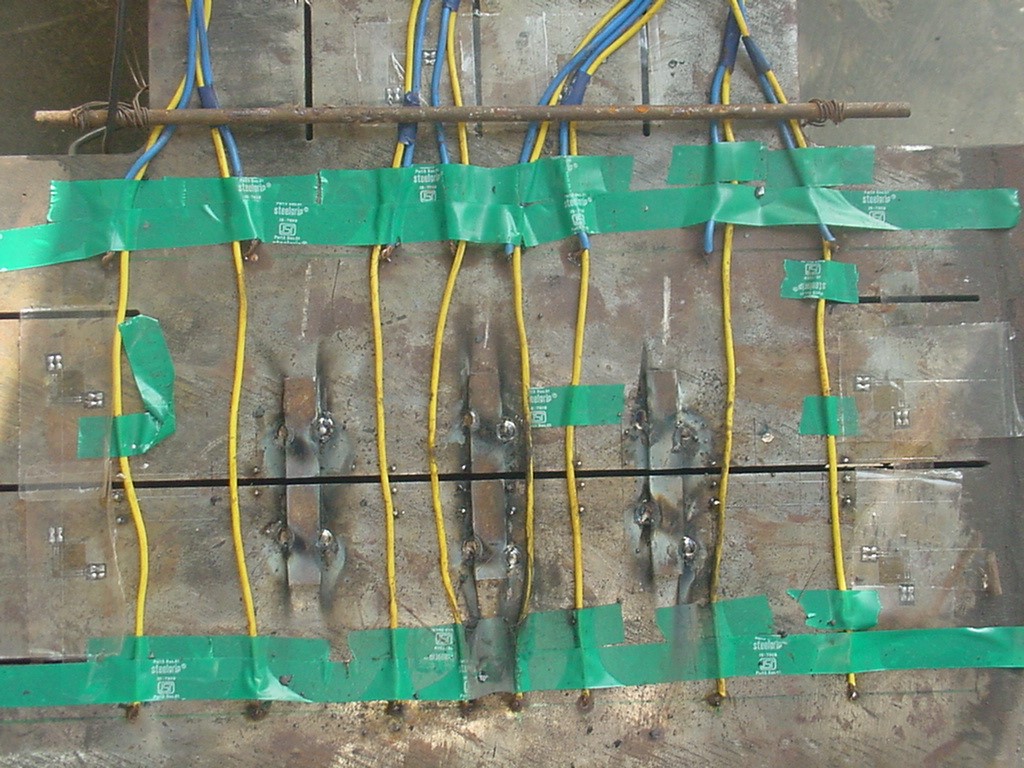
Close-up view showing instrumentation for strains, crack depth and CMOD measurements

Close-up view showing instrumentation for strains, crack depth and CMOD measurements

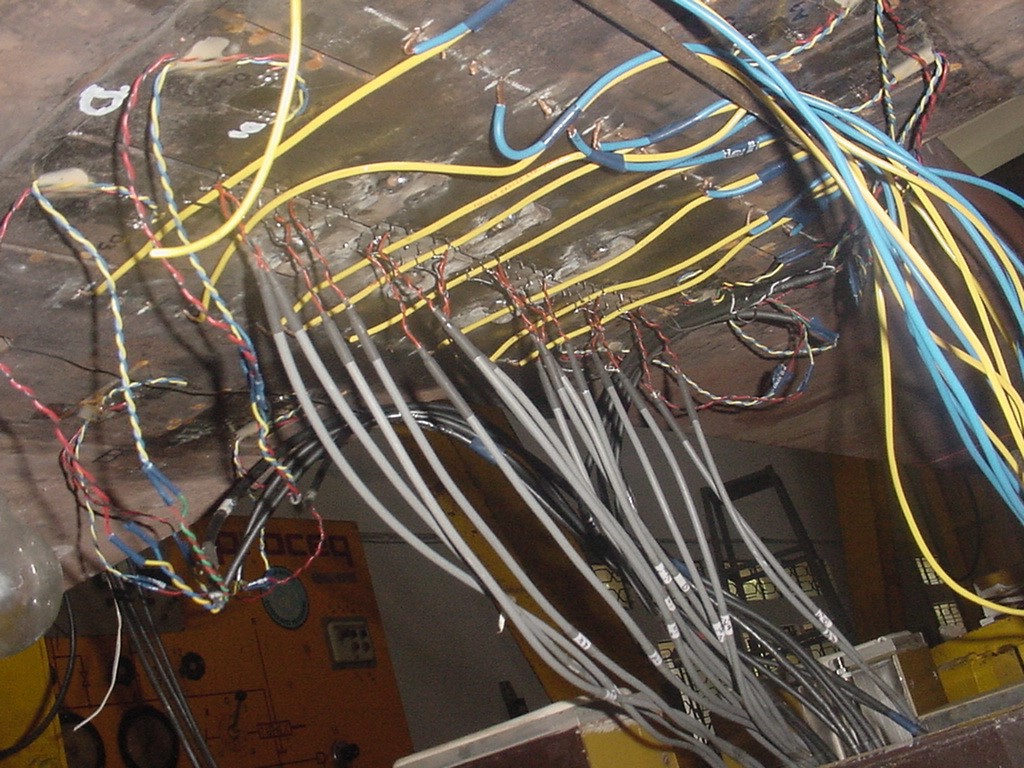
Close-up view of the instrumentation at bottom of cruciform specimen during fracture test

Close-up view of the instrumentation at bottom of cruciform specimen during fracture test